
Floating fleets and locally based aircraft offer sharply different advantages that shape your charter experience, from availability to pricing. Positioning costs and aircraft consistency hinge on which model you choose, affecting everything from scheduling flexibility to overall charter pricing. Understanding these distinctions lets you plan smarter, ensuring every flight aligns with your exact needs and expectations. Let’s explore how each approach impacts your next private jet charter.
Understanding Floating Fleets
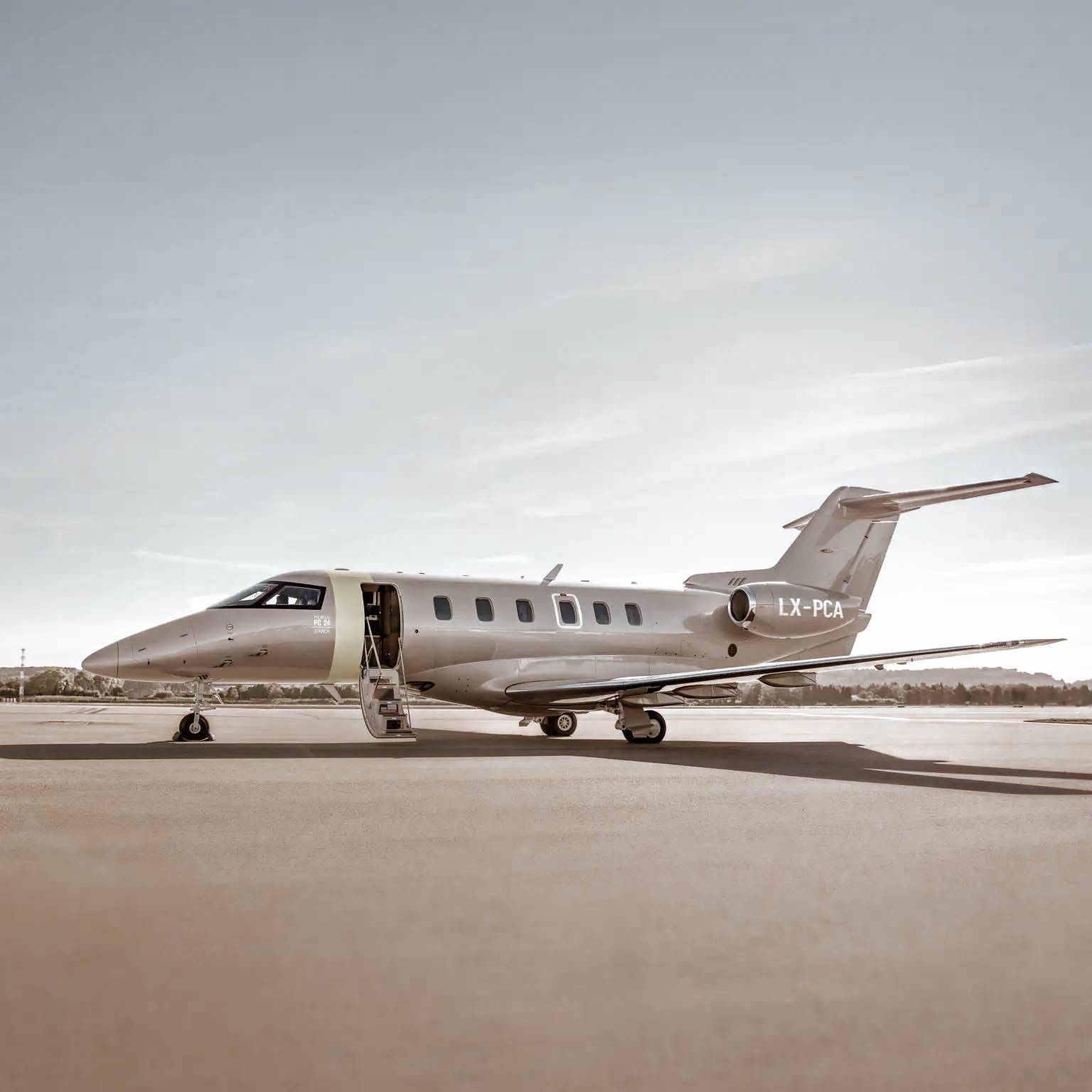
Floating fleets provide a flexible solution for travelers with diverse needs. This model offers distinct advantages in availability and cost.
Definition and Characteristics
Floating fleets consist of aircraft that are not tied to a specific base. This flexibility allows them to be positioned wherever demand is highest. As a traveler, this means you have access to a wider range of aircraft across different locations. Without the need to return to a home base, these fleets can adapt to changing schedules and destinations more easily.
Impact on Positioning Costs and Availability
When it comes to positioning costs, floating fleets often present a more economical option. These aircraft are closer to clients, reducing the distance they need to travel before picking you up. This proximity can translate into lower costs. Additionally, because they can move around easily, floating fleets can offer more availability, especially for last-minute bookings.
Influence on Private Jet Charter Pricing
The flexibility of floating fleets can lead to competitive pricing. By minimizing the need for repositioning legs, these fleets can keep costs down. This means you might find better deals compared to locally based aircraft, particularly when booking one-way trips. However, it’s essential to consider the potential for variations in aircraft consistency, as floating fleets pull from a broad pool of planes.
Locally Based Charter Aircraft Explained
Locally based aircraft bring a different set of benefits, focusing on familiarity and reliability. Understanding these can help you make informed decisions about your travel.
Unique Features and Benefits
Locally based aircraft are stationed at a fixed location, often near major cities or hubs. This setup provides consistency, as you are more likely to fly in the same aircraft with the same crew. For travelers prioritizing familiarity and consistent service, this model offers peace of mind with each journey.
Effects on Repositioning Legs and Scheduling
With aircraft tied to a specific location, there is a need for repositioning legs to handle different routes. This can result in increased costs, as the plane needs to travel to your location before the actual journey begins. However, the predictability of schedules and aircraft can make planning more straightforward, particularly for regular flyers or specific routes.
Role in Aircraft Consistency and Safety Standards
Consistency is a hallmark of locally based aircraft. By flying the same planes regularly, there’s a greater assurance of maintenance and safety standards. Operators often have more control over the upkeep of their fleets, which can be reassuring for those concerned about safety. Travelers can expect a high level of service, knowing the aircraft and crew meet stringent criteria.
Comparing Fleet Models
Understanding the differences between floating fleets and locally based aircraft helps align your travel plans with your preferences and needs.
Evaluating One-Way vs. Round-Trip Pricing
When considering one-way pricing, floating fleets often have the upper hand. Their flexibility minimizes costs associated with repositioning. On the other hand, round-trip pricing might see less disparity between the two models, as locally based aircraft need to return to their base, potentially incurring similar costs.
Assessing Private Jet Availability and Charter Scheduling
Floating fleets generally offer greater availability, particularly for spontaneous travel plans. Their flexibility allows for more options and adaptability. However, for those who prefer predictability, locally based aircraft provide a more consistent experience where you know what to expect each time you fly.
Choosing the Right Model with Triumph Jets
Choosing between floating fleets and locally based aircraft comes down to your priorities. If flexibility, cost efficiency, and availability are top of mind, floating fleets might be the ideal choice. For those valuing consistency and familiarity, locally based aircraft are better suited. Triumph Jets stands ready to assist you in making the best choice, ensuring your travel is seamless and tailored to your preferences.
Frequently Asked Questions
What is the main advantage of floating fleets?
Floating fleets offer greater flexibility and availability, often resulting in lower positioning costs as aircraft can be closer to clients.
How do locally based aircraft maintain consistency?
Locally based aircraft are stationed at fixed locations, allowing operators to maintain consistent service and stringent safety standards.
Which model is more cost-effective for one-way trips?
Floating fleets generally provide more competitive pricing for one-way trips due to reduced repositioning costs.